Class of 2027 Senior Graduation Canva
A Designer’s First Look: Bright, Clean, and Built for Celebration
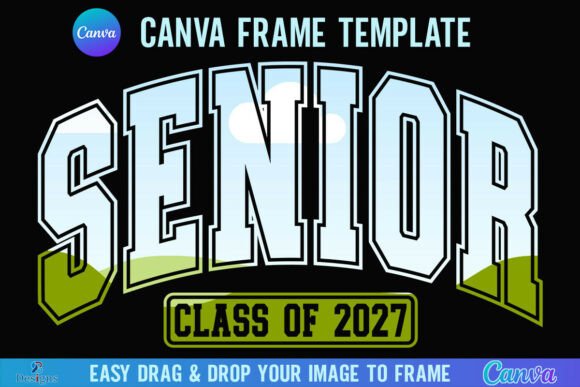
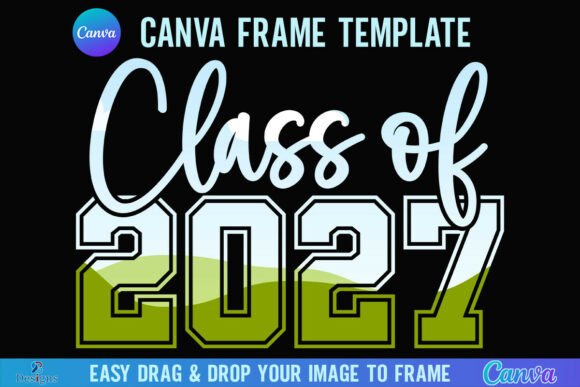
When I opened the Class of 2027 Senior Graduation Canva, my first thought wasn’t “cute” or “trendy”—it was “this will stitch cleanly.” That’s rare. The layout is balanced: a centered year badge with subtle laurel motifs, clean sans-serif typography, and intentional negative space. It doesn’t scream—instead, it feels confident, polished, and quietly proud. As someone who’s stitched hundreds of graduation pieces—from baby onesies to boutique aprons—I immediately pictured this on a natural cotton tote bag, embroidered in navy thread with a crisp satin stitch border. It reads well at 3.5 inches wide, which makes it versatile across hoop sizes without sacrificing legibility.
Where This Design Shines (and Where It Needs Care)
The Class of 2027 Senior Graduation Canva works beautifully for custom apparel and personalized gifts—but only when matched to the right fabric and construction. On midweight sweatshirts? Excellent. The open layout avoids dense fill-stitch traps, so you won’t get puckering or thread breakage. On baby embroidery? Ideal for onesies and burp cloths—just scale down to 2.75 inches and use lightweight tear-away stabilizer. For embroidered patches? Yes, but avoid tight corners—the design’s clean lines hold up well in standard 4x4 hoops, though intricate inner details (like small leaf tips) benefit from a sharp needle and steady tension.
That said, proceed carefully on stretchy fabrics like jersey tees or curved surfaces like caps. There’s no built-in underlay or tack-down in this Canva-based graphic, so you’ll need to add your own stabilizer strategy—cutaway for knits, medium-weight fusible for hats. And while the lettering is bold enough for most applications, tiny “2027” numerals may blur on thin fabrics or dark backgrounds unless you test contrast first. Always run a black-and-white mockup before stitching—what looks vibrant on screen can vanish on charcoal fleece.
Real-World Use: From Craft Fair Booth to Etsy Listing
Last week, I used the Class of 2027 Senior Graduation Canva to embroider a set of linen pillow covers for a local boutique’s “Graduation Gift Suite.” We paired it with soft sage thread and kept the hoop size consistent at 4x4. Customers loved how it looked—minimalist but meaningful—and several asked if we offered matching tea towels (we did, using the same design scaled to 3 inches). That’s the quiet strength of this piece: it supports a cohesive product line without demanding complex digitizing upgrades.
For Etsy sellers and craft business owners, this isn’t just a digital embroidery file—it’s a ready-made brand asset. You can drop it into printable mockups for listings, layer it over neutral product photos, or pair it with coordinating fonts in Canva to build full gift bundles. Just remember: since it’s delivered as a PDF link to Canva templates—not native embroidery files—you’ll need to export or adapt it properly for machine use. Check whether your embroidery software supports SVG or PNG import, and always confirm resolution before converting.
Design Integrity Matters—Especially for Handmade Trust
Customers don’t buy embroidery—they buy meaning, craftsmanship, and confidence. When someone orders a personalized gift featuring the Class of 2027 Senior Graduation Canva, they’re trusting you to deliver something that feels intentional, not generic. That means paying attention to stitch density (avoid overfilling those laurel curves), thread color harmony (navy + cream reads more luxe than neon pink), and edge finish (a clean satin stitch border elevates even a simple sweatshirt embroidery).
I’ve seen too many small shop products lose perceived value because the design looked “slapped on” instead of integrated. This Canva frame avoids that trap—it’s designed with breathing room, visual weight, and hierarchy in mind. That translates directly to buyer engagement: shoppers linger longer on listings where the embroidery looks like it belongs, not like it’s fighting the garment.
Practical Notes Every Embroidery Designer Should Run Through
- Test first on scrap fabric—especially if using textured weaves or dark substrates.
- Check thread color contrast in natural light; monitor brightness can mislead.
- Review stitch density manually if converting from Canva output—look for overlapping fills or jagged edges in fine details.
- Confirm hoop size compatibility before prepping production runs.
- Inspect small lettering and corner motifs at actual stitch-out size—some details may need slight manual cleanup.
- Use proper stabilizer: cutaway for stretch, tear-away for stable wovens, fusible for layered or delicate items.
- Verify licensing before selling finished products or reselling digital assets—this is a graphics template, not a licensed commercial embroidery file by default.
- Compare light/dark fabric backgrounds in mockups—some elements may need shadow or outline adjustments.
Final Thought: A Thoughtful Tool, Not a Magic Button
The Class of 2027 Senior Graduation Canva isn’t flashy—but it doesn’t need to be. It’s a smart, scalable, and stitch-friendly foundation for real embroidery projects: graduation swag, nursery decor, holiday gifts, boutique merchandise, and more. It respects the craft instead of rushing past it. As a designer and reviewer, I appreciate that. It saves time without sacrificing quality—and in our world, that’s the highest compliment.