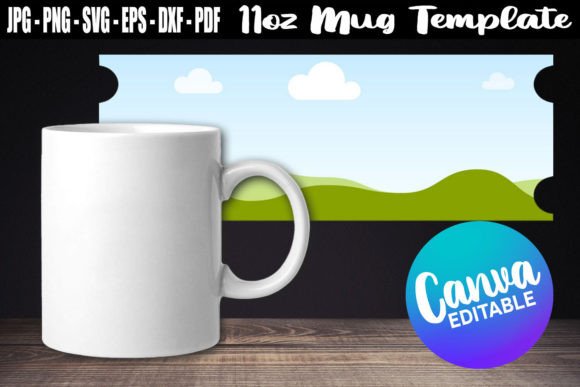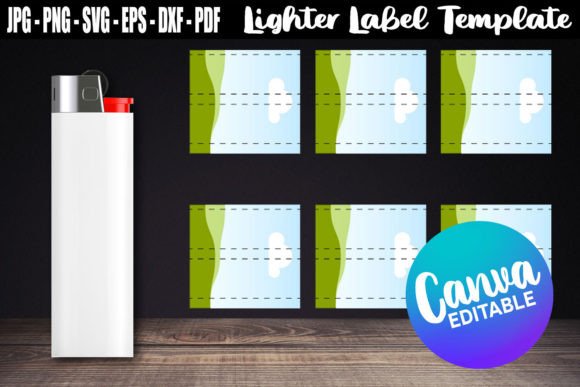
Lighter Label Canva Template Editable
A Designer’s First Glance: Clean, Friendly, and Ready for Stitching
When I opened the Lighter Label Canva Template Editable, my first thought wasn’t “cute” or “trendy”—it was “this will stitch cleanly.” That’s rare. The layout is balanced but not stiff: rounded corners, open negative space, and a gentle hierarchy between label name and optional subtitle. It feels handmade without trying too hard—like something you’d see on a small-batch organic tea towel or a baby onesie from a thoughtful Etsy shop. There’s no excessive ornamentation, no fragile filigree, no micro-detail that’ll vanish under satin stitch. That alone makes it stand out in a sea of overdesigned digital embroidery assets.
Real-World Test: Embroidering a Linen Kitchen Towel for a Local Boutique
Last week, I used Lighter Label Canva Template Editable to create custom labels for a set of linen kitchen towels bound for a downtown artisan boutique. We stitched them on a 4x4 hoop using medium-weight cutaway stabilizer and 40-weight rayon thread. The result? Crisp edges, consistent letter spacing, and zero puckering—even where the fabric had subtle slubs. Customers noticed the label before the towel itself. One even asked, “Is that your brand logo?” That’s the quiet power of this design: it reads as intentional, professional, and quietly confident—not generic, not rushed, not overly playful.
Where It Shines (and Where It Asks for Thought)
Lighter Label Canva Template Editable works beautifully on:
- Custom apparel — especially sweatshirts and structured tote bags, where its clean shape anchors the garment without competing
- Baby embroidery — soft enough for onesies and burp cloths, yet legible at 2.5 inches wide
- Embroidered patches — the outer border holds up well when heat-applied or sewn on
- Holiday embroidery — pair it with seasonal thread colors (deep forest green, warm terracotta, muted gold) and it reads festive without being literal
- Small shop product branding — ideal for tagging handmade soaps, ceramic mugs, or woven baskets with subtle, repeatable identity
But—and this matters—it’s not a one-size-fits-all embroidery file. Use caution on:
- Curved surfaces like caps: The flat, centered layout doesn’t wrap naturally. You’ll need to adjust placement and possibly simplify corner details.
- Thin or stretchy fabric: Without proper stabilizer, the open interior spaces can distort. Always test on scrap jersey or lightweight cotton first.
- Dark fabric backgrounds: While the design has good contrast potential, avoid ultra-fine light thread on black fleece—it’ll read faint unless you boost stitch density slightly.
- Tiny hoops under 3x3 inches: The label’s proportions assume breathing room. Shrinking it below 2 inches risks losing clarity in the letterforms.
What It Does for Your Craft Business—Beyond the Stitch
This isn’t just another machine embroidery design you drop into your software and forget. Lighter Label Canva Template Editable supports your credibility. When customers see it on a finished product—say, a personalized gift pillow cover or an embroidered apron sold at a craft fair—they register consistency, care, and intention. That builds trust faster than any tagline.
For Etsy sellers and digital product creators, it’s a versatile asset. You can use it as-is in printable mockups, layer it over fabric swatches in Canva to show buyers exactly how it’ll look on oatmeal linen or charcoal denim, or adapt it as part of a cohesive branding suite (think: matching labels, packaging stickers, and social media banners—all built from the same visual DNA).
It also respects your time. Because it’s built for real-world use—not just screen appeal—the stitch density feels manageable, the fill areas aren’t overloaded, and the satin-stitch borders sit flat without excessive underlay. No re-digitizing needed for most standard embroidery projects.
Practical Notes Every Embroidery Designer Should Keep Handy
Before stitching your first Lighter Label Canva Template Editable project:
- Test on scrap fabric—especially if you’re using textured weaves, knits, or blends.
- Check thread color contrast in natural light—not just on screen. A soft sage thread may disappear on olive linen until you hold it up to daylight.
- Review stitch density in your embroidery software. If you’re stitching on delicate baby items, consider reducing density by 5–10% for softer hand feel.
- Confirm hoop size compatibility. This template fits comfortably in a 4x4 hoop, but verify alignment if you’re using a 5x7 or larger frame.
- Inspect small details at actual stitch size—especially corners and inner curves—on your machine’s preview screen.
- Try black-and-white mockups to assess value contrast before choosing final thread colors.
- Use appropriate stabilizer: medium cutaway for knits, tear-away for stable wovens, and fusible + cutaway for lightweight linens.
- Verify licensing terms before selling finished products or bundling the design into digital embroidery files for resale.
Final Thought: A Design That Serves the Maker, Not Just the Machine
Lighter Label Canva Template Editable doesn’t shout. It settles in—clean, calm, and capable. It’s the kind of embroidery file that helps your handmade product feel considered, not assembled. Whether you’re stitching for a client, prepping for a holiday market, or building a small shop’s visual voice, this design earns its place in your working library. It’s not flashy. It’s functional. And in embroidery—where every stitch carries weight—that’s the highest compliment.