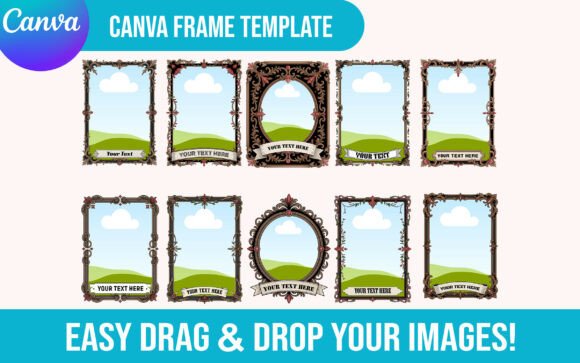
Editable Tarot Card Canva Frame Template: Graphics for Intentional Branding
As a brand designer who’s built visual systems for online coaches, spiritual product creators, and indie publishers over the past 12 years, I opened the Editable Tarot Card Canva Frame Template expecting whimsy—but what I found was surprisingly strategic. The first impression? A grounded mysticism—soft edges, balanced negative space, and subtle ornamental framing that feels both ceremonial and contemporary. It doesn’t scream “esoteric”—it whispers “intention.” That nuance matters deeply when your audience includes skeptics, seekers, and savvy small business owners alike.
Mood, Perception, and Brand Alignment—Before You Edit a Single Layer
This isn’t a glitter-bombed, neon-astrology graphic design asset. It leans into quiet authority—ideal for lifestyle brands, holistic practitioners, editorial newsletters, and creative marketplaces where authenticity trumps flash. The frames carry emotional tone without dictating it: reverence, curiosity, introspection. That makes them unusually versatile. They work for premium handmade product labels, gentle Pinterest pins about seasonal self-care, or even as elegant dividers in a digital product launch sequence. But they’d feel dissonant in a fintech SaaS pitch deck or a law firm’s LinkedIn banner—context is everything.
Where This Canva Template Earns Its Place in Real Campaigns
I recently used the Editable Tarot Card Canva Frame Template to refresh a client’s content kit—a bundle of Instagram carousels, email headers, and printable journal prompts for a new moon ritual course. Here’s how it performed across touchpoints:
- Social media graphics: Framed quote cards gained instant visual hierarchy—readers paused longer on feed scrolls. The frame created breathing room around text without sacrificing clarity.
- Pinterest pins: Paired with soft serif typography and muted brand colors, the frames elevated DIY tarot spreads into shareable editorial design—not just clipart.
- Digital ads: Used as subtle background accents (not dominant elements) in Facebook carousel ads, boosting perceived professionalism without competing with CTAs.
- Lead magnets & content bundles: Each printable worksheet carried consistent framing—building recognition across a 7-day email sequence.
- Product label mockups: Applied as decorative borders on digital packaging inserts for crystal-infused candles—adding artisanal warmth without clutter.
It’s not a logo design tool or packaging design system—but it *supports* those efforts by reinforcing visual consistency at the micro-level. When every social post, email header, and digital download shares a common structural language, audience trust deepens. That’s measurable in open rates, saves, and repeat engagement.
Marketing Goals This Graphic Design Asset Quietly Advances
What makes the Editable Tarot Card Canva Frame Template more than decorative? It delivers tangible marketing outcomes:
- Stronger first impression: Instantly signals care in craft—even before the viewer reads a word.
- Clearer visual hierarchy: The frame naturally guides the eye to your core message or image.
- Better product presentation: Especially for digital products, printables, or spiritual tools—framing implies value and intentionality.
- More memorable campaign visuals: Repetition of a distinctive yet subtle frame builds subconscious brand recognition.
- Professional appearance on tight timelines: Drag-and-drop editing in Canva means polished assets in under 90 seconds—no designer dependency.
Best Fit Scenarios—And Where to Pause Before Applying
Reach for this template when designing:
- Hero graphics for blog posts about intuition, creativity, or mindful living
- Campaign headers for seasonal offers (e.g., “Summer Solstice Bundle”)
- Branded templates for client-facing content kits
- Social media covers for Instagram or Pinterest profiles
- Packaging accents—especially for wellness, journaling, or metaphysical products
- Decorative brand elements in editorial layouts or newsletter footers
Use carefully—or avoid—if you’re building:
- Formal corporate branding (banks, B2B SaaS, legal services)
- Dense information layouts (comparison charts, pricing tables)
- Small mobile graphics (under 300px wide—details get lost)
- Low-contrast backgrounds (test legibility with your brand palette)
- Overly minimal brands that rely on stark whitespace alone
- Text-heavy ads where the frame competes with copy instead of supporting it
Practical Brand Designer Notes—Test Before You Trust
Before locking in any use case, run these checks:
- Test with your full brand color palette: Does it harmonize with your primary, secondary, and accent tones—or clash in unexpected ways?
- Check black-and-white usage: Will it retain structure if printed or viewed in grayscale?
- Place inside real campaign mockups: Preview it on an iPhone screen, desktop blog header, and printed PDF—scale changes everything.
- Compare against competitor visuals: Does it differentiate your brand—or blend into expected tropes?
- Pair with all your font families: Try serif, sans serif, script, and display fonts—some combinations amplify elegance; others create unintended tension.
- Review spacing and balance: Does the frame enhance composition—or overwhelm your focal point?
- Confirm commercial licensing: Verify usage rights for paid campaigns, client deliverables, and digital product visuals—this is a commercial design asset, not just clipart.
The Editable Tarot Card Canva Frame Template stands out because it bridges aesthetic appeal and functional utility. It’s not just another SVG design or PNG design—it’s a thoughtful, editable layer that supports storytelling, strengthens visual hierarchy, and quietly elevates how your audience perceives your authority and care. For small business branding rooted in meaning—not just metrics—it’s a rare find: a modern design that feels timeless, a creative marketplace asset that behaves like custom work, and a digital product that earns its place in professional branding workflows.