Star Canva Frame Template: Premium Graphics for Canva Publishers
As a blog designer who’s shipped over 300+ editorial visuals for lifestyle blogs, SaaS newsletters, and digital course creators, I opened the Star Canva Frame Template expecting another decorative overlay—and got something far more useful: a versatile, mood-driven graphic design asset that works like a visual anchor across real publishing workflows.
A First Impression That Builds Editorial Trust
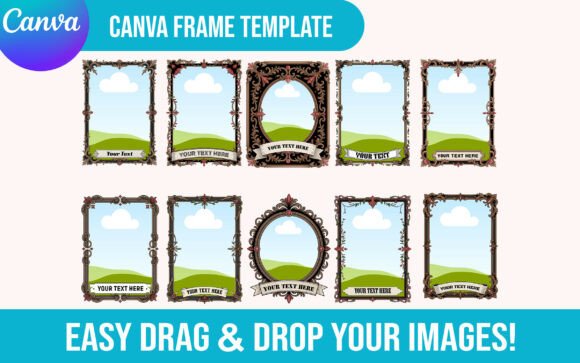
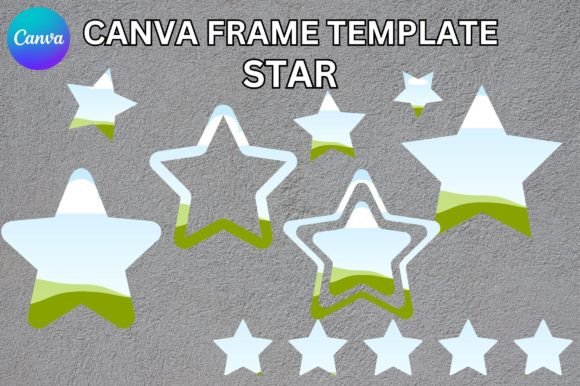
The moment you open the Canva link embedded in the PDF (yes—just one clean PDF with direct access to your custom frame), you’re greeted with a balanced composition: subtle star motifs framing clean negative space, soft gradients or gentle metallic shimmer depending on variant, and intentional breathing room around the central content zone. It doesn’t scream “trendy”—it whispers “curated.” This isn’t a playful confetti burst or a neon-lit party frame. It’s editorial: refined enough for a wellness newsletter header, warm enough for a creative entrepreneur’s lead magnet, and elegant enough to elevate an affiliate marketing comparison guide.
It leans into a quietly confident, modern design language—neither overly feminine nor aggressively minimal. Think “thoughtful curation,” not “stock decoration.” That nuance matters. Readers subconsciously associate this kind of restraint with credibility. A recipe blog using Star Canva Frame Template for its weekly printable meal planner feels more trustworthy than one using generic clipart borders. A small business branding guide gains instant authority when its cover uses this frame as a subtle structural device—not a distraction, but a quiet signal of care.
Where It Shines in Real Publishing Workflows
This isn’t just a “nice-to-have” Canva template. It’s a functional editorial tool. Here’s where it delivers measurable value:
- Blog featured images — Adds cohesion across categories without repeating the same background photo; especially effective for evergreen content like “Beginner’s Guides” or “Resource Roundups”
- Pinterest pins — The frame’s natural focal point guides the eye toward headline text, boosting click-through potential in crowded feeds
- Digital guides & lead magnets — Gives downloadable resources immediate visual hierarchy and perceived value before the reader even opens the file
- Newsletter headers — Works beautifully above email body copy, reinforcing brand identity without competing with message clarity
- Social media graphics — Scales cleanly for Instagram carousels and LinkedIn article previews, maintaining legibility at multiple aspect ratios
- Category thumbnails & website headers — Provides consistent visual rhythm across navigation elements, strengthening overall site architecture
How It Strengthens Content Performance
Stronger first impressions? Absolutely. But the deeper impact lies in how Star Canva Frame Template supports long-term content marketing goals:
- Better visual hierarchy — Its built-in framing directs attention to your most important element: headline, CTA, or key stat
- Improved reader trust — Consistent, polished presentation signals professionalism—critical for affiliate marketing pages or paid digital products
- Stronger brand identity — When reused across blog graphics, social posts, and printables, it becomes a subtle but recognizable signature
- Higher category recognition — Use variants per topic (e.g., gold-tone for “Premium Resources,” silver for “Free Tools”) to build intuitive mental mapping
- More clickable social previews — The contrast between frame and background increases visual pop in algorithm-driven feeds
Smart Placement: Where to Use It—and Where to Pause
Use it confidently for: hero images, Pinterest pins, blog graphics, editorial accents (like pull-quote borders), content upgrades, downloadable resources, category visuals, newsletter headers, and social media previews.
Use it carefully for: mobile-first thumbnails under 300px wide (test scaling), text-dense infographics where the frame competes with data, low-contrast backgrounds (always check WCAG readability), or serious professional niches like legal compliance or clinical education—unless intentionally softened with muted tones and ample white space.
Publisher Notes You’ll Actually Use
Before deploying Star Canva Frame Template across your site or campaigns, run these quick checks:
- Preview it inside your actual blog layout—not just in Canva—to see how it interacts with your typography, sidebar widgets, and footer spacing
- Test headline text placement: try serif, sans serif, script, and display fonts to confirm contrast and alignment hold up
- Check thumbnail rendering on both desktop and mobile—does the star motif remain legible at 150x150px?
- Convert to grayscale: if the visual weight collapses, adjust inner shadows or opacity in Canva
- Verify commercial license terms—this is essential for monetized websites, affiliate content, and paid digital downloads
- Optimize exports: save PNGs with transparency only when needed; use JPEG for blog headers to keep file size under 150KB
Final Thought: A Design Asset That Earns Its Place
Many Canva templates fade after three uses. Star Canva Frame Template earns repeat deployment because it serves function first—guiding the eye, supporting typography, and elevating tone—without demanding attention. It’s not flashy. It’s thoughtful. And in today’s saturated content landscape, thoughtful design is the quiet differentiator that builds trust, encourages shares, and makes readers pause longer than they intended.
Whether you’re designing a digital guide for online educators, crafting Pinterest pins for an affiliate marketing funnel, or building a cohesive visual system for a small business branding package—this graphic design asset doesn’t just fill space. It frames intention.